

Eagle Eyes Search
City:
Squamish, BC
Founded:
November 2022
Sector:
Public Safety/Drone Tech/SaaS

Bootstrapped to revenue.
Eagle Eyes shipped its first product in 2024 and now has more than 130 search and rescue teams, fire halls, and sheriffs’ offices as customers. 90% stay past their first year allowing the team of six to grow the company without outside equity or debt. North Shore Rescue has flown it on live operations covered by the CBC and the BBC, and the company is now working with public safety organizations, and utilities across North America, Europe, and Australia .
Every customer arrived through search and word of mouth, in a community that is quick to share what works and drop what doesn’t.
What it does
Eagle Eyes Mirada solves a problem often faced by organizations using drones. In Search and Rescue, wildfire fighting, utility inspection and law enforcement, drones are becoming common tools because of the near-instant situational awareness they can provide. But someone or something has to process all that information in order for it to be operationally useful. All too often, drone video containing useful and actionable information is glanced at by one task-saturated pilot on a handheld controller, then left on an SD card, never to be seen again.
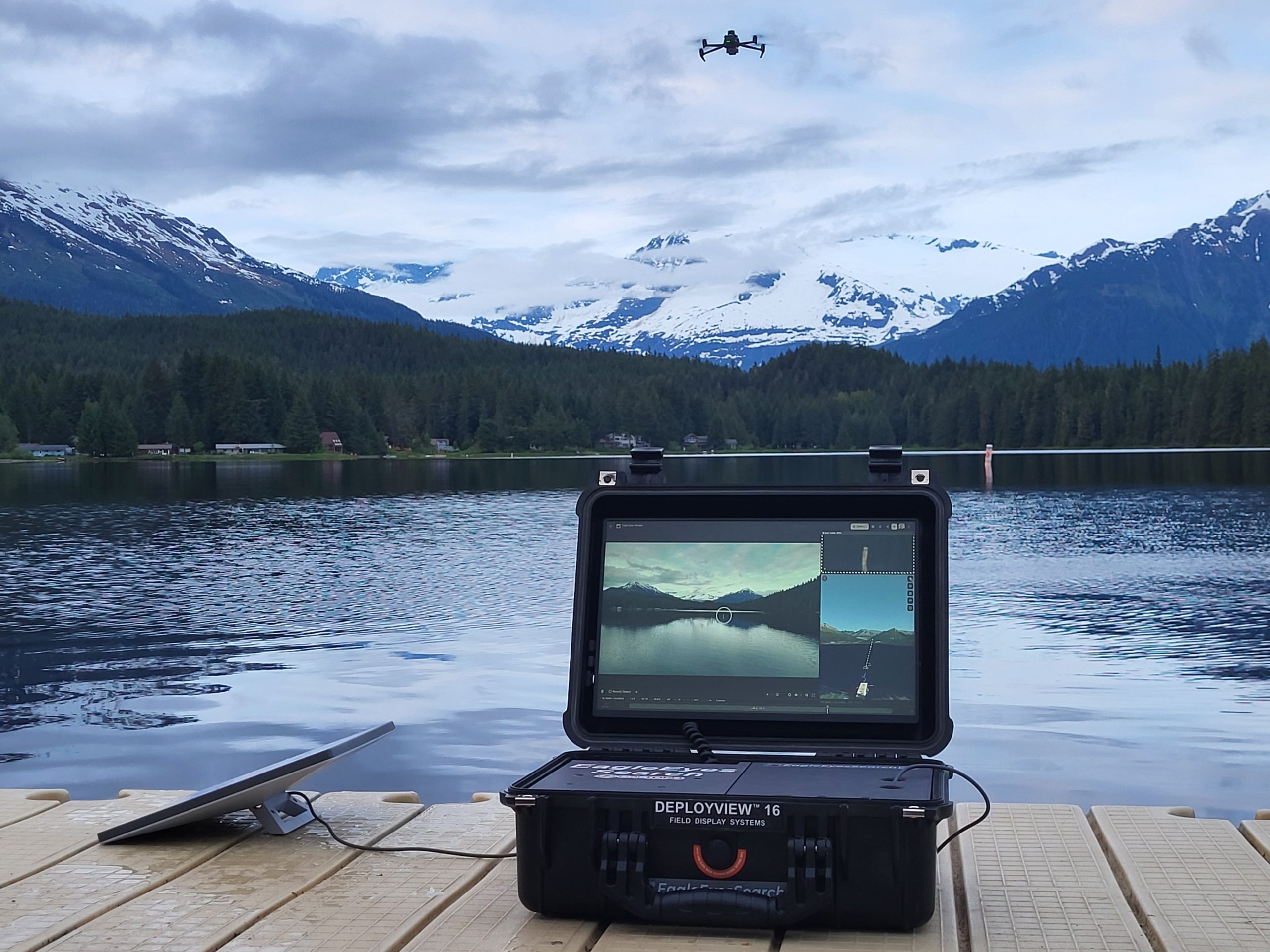
The Mirada software runs on drone controllers, field laptops, and cloud infrastructure. The system ingests the images and video coming off the aircraft, searches them with computer vision systems, and puts findings on the map in front of the whole team while the drone is still flying. Every mission stays stored, indexed and searchable afterward.

Where this goes
Almost any task that involves collecting information outdoors in the field can benefit from drones. Search and rescue teams use them to locate missing persons and plan safe extractions. Drone-as-first-responder programs are dispatching aircraft straight to 911 calls. Utilities are training their own pilots to inspect power lines. Autonomous docked fleets are coming, and they will generate far more footage than any human team can watch. Every one of those trends produces the same thing: more aerial data than anyone can digest, from an ever-messier mix of aircraft. That is the problem Mirada exists to solve, and this challenge is scaling naturally as the industry matures.
Up next: The cloud layer launches in Q3 2026 with managed footage storage, searchable missions and automated flight records, followed by the security and compliance work needed to meet larger-agency requirements and qualify as an approved vendor, positioning Mirada for broader adoption across the drone industry.
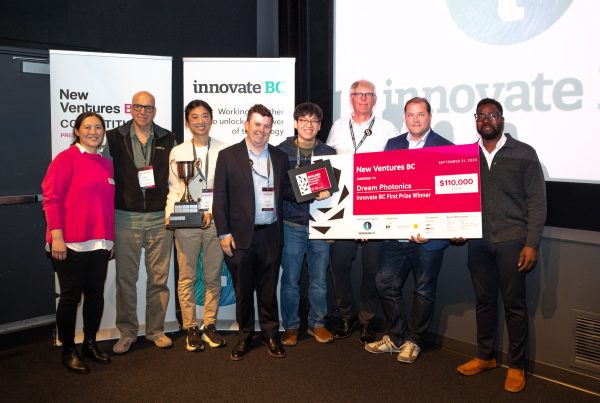
Why NVBC: The New Ventures BC Competition, presented by Innovate BC, pulled the founders out of the product for long enough to write the enterprise case down properly. NVBC mentors sharpened the positioning and the financial logic, cut a lot of distractions, and put a credibility marker on the company in its home province.
Why it holds
In the age where AI can turn a thought into working code in minutes, a software company has to run as fast as it can just to stay in place. The trick to surviving is to automate the running. In Mirada, customer feature requests can now be turned into working product features and delivered in the span of 20 minutes, blurring the line between customers and developers. The result is a very sticky product with thousands of field lessons baked into it. Customers feel a sense of ownership, both because they have contributed to its development and because it solves the specific problems they face in the field. As the product spreads, network effects set in – The platform that everyone else is using to share live operational information is the platform that sticks.
Meet The Team

Peter O’Connor
Co-founder, CEO & CTORead More
Joep Maas
Co-founder & COORead More
Patrick Robinson
Co-founder & CPORead More